
scabio-, scabi-, scab-
(Latin: rough, scurfy, scabby, mangy; itch, itchy)
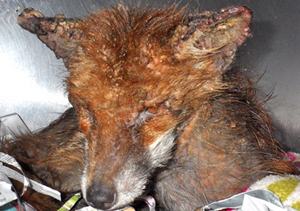
The same kind of unhealthy skin illness exists in animals; which is known as sarcoptic mange or sarcoptic itch.
A man named Jack took his dog to the veterinarian for its yearly checkup and sarcoptic mange was detected; so, the veterinarian gave Jack medication to relieve and to heal his dog and was told to go to his family doctor to make sure he didn’t have a form of sarcoptic scabies, too!
Little Jimmy was told that he should not pick at his scabs or try to remove them with his fingers because he would make the healing of his knees take much longer or even cause more pain.
2. Etymology: comes from Old English scaeb, "the crust that forms on a sore" which apparently is related to Latin scabies, "scab, itch, mange"; from scabere, "to scratch".The hatched mites of scabies can pass from an infested person to another individual who is standing close to him or her; however, the infestation is usually more of a result of physical contact with infected people.
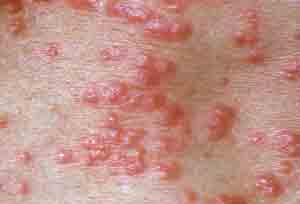
The symptoms of scabies are red and raised bumps that make a person want to scratch very often; especially, at night when he or she is trying to sleep, and such scratching results in the formation of severe scabs from the painful sores.
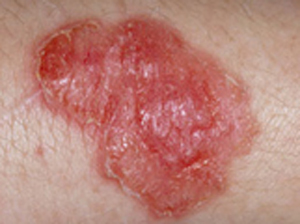
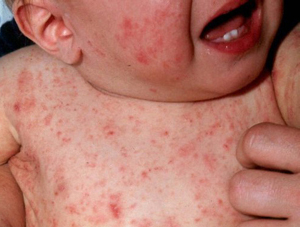
Scabies is common among infants, children, and young adults. Sometimes, it also happens to those who are institutionalized in nursing homes or even in hospitals.
2. Marked by healing skin: The scabious hard place on Mark's injured knee is getting better each day.
2. Etymology: borrowed from Late Latin scabrosus, "rough"; from Latin scaber, "rough, scaly"; related to scabere, "to scratch, to scrape".
Cross references directly, or indirectly, involving the "skin": callus-; chorio-; cicatri- (scar); cori-; cuti-; hymen-; lepido- (scab, scale); papulo- (pimple); psoro- (itch, mange); pustu- (blister, pimple); rhytid- (wrinkle); sebo- (grease, oil).